
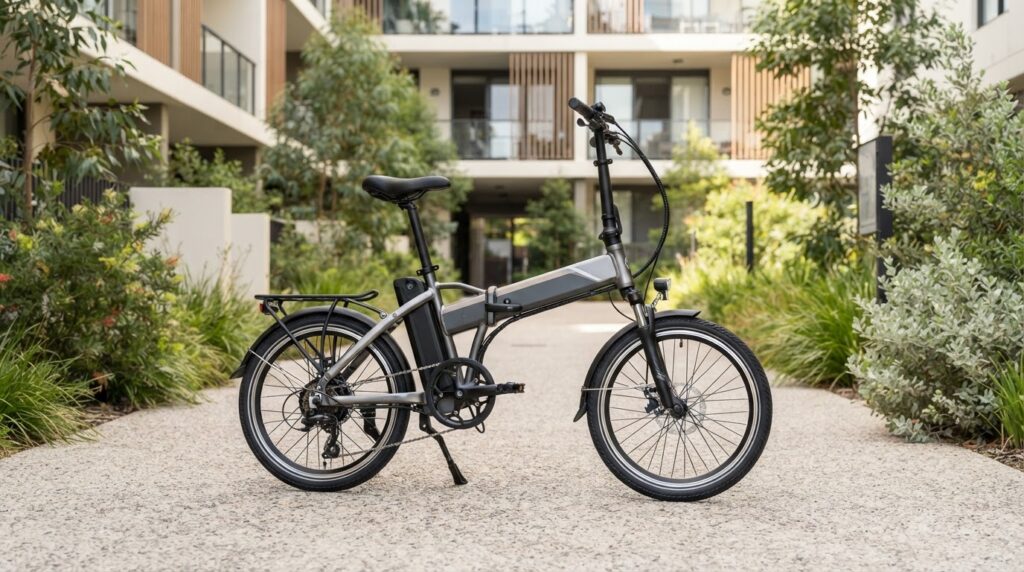
Need a compact electric bike that is easier to store at home, fit into a vehicle or take along on a trip? A folding electric bike can make sense when space and portability matter, but the right choice depends on much more than whether the frame folds.
When comparing folding electric bikes in Australia, look closely at the folded dimensions, total weight, frame latch, wheel size, riding position, battery, brakes and the type of journeys you plan to make. A bike that folds neatly but is awkward to lift or uncomfortable to ride may not be the practical solution you expected.
This guide explains what to check before buying, which trade-offs are worth considering and how to compare folding e-bikes with confidence. You can also browse the electric bikes available at E-Rev Cycles while you narrow down the style that suits your needs.
Are folding electric bikes worth considering?
For the right rider, yes. A folding electric bike combines electric assistance with a frame designed to collapse into a more compact shape. That can be useful when you have limited storage space, need to transport a bike in a car or want to keep it inside rather than leave it outdoors.
Folding designs are worth considering for:
- Apartment living: a compact folded footprint may make indoor storage easier, particularly where there is no dedicated bike room.
- Car and motorhome travel: some models can fit into a vehicle boot or storage area, provided their folded dimensions and weight suit the available space.
- Mixed-mode commuting: a folding bike may be convenient when a journey combines cycling with another form of transport. Always check the operator’s current rules before taking an e-bike on public transport.
- Small garages and homes: folding the frame can free up floor space when the bike is not being used.
- Flexible recreational riding: a compact bike can be easier to take on weekends away or store between rides.
However, folding does not automatically mean lightweight. Electric motors, batteries, reinforced frames and larger tyres all add weight. Some folding e-bikes are still substantial to lift, so check the actual specifications rather than judging portability from photographs.
1. Check the folded dimensions before anything else
The most useful measurement is not just the bike’s size when it is ready to ride. It is the space it occupies once folded.
Look for the manufacturer’s stated folded length, width and height. Then measure the space where you intend to store or transport it. If it needs to fit in a car, measure the boot opening as well as the boot floor. A bike can have a folded footprint that appears small on paper but still be difficult to manoeuvre through a narrow opening.
Also consider whether you will need to remove the battery, turn the handlebars or lower the seat before folding. These steps can affect how quickly and conveniently the bike packs away.
Practical tip: leave a little extra room around the stated folded dimensions for pedals, cables, accessories and the space needed to lift or turn the bike.
2. Consider the bike’s weight and how you will move it
Weight is one of the most important details when comparing lightweight folding electric bikes in Australia. Think about the entire routine, not just the ride itself.
Will you need to lift the bike into a car? Carry it up stairs? Move it through an apartment hallway? Load it onto a caravan storage area? If so, check the complete bike weight and whether the battery can be removed to make handling easier.
Do not assume a removable battery makes a heavy bike easy to carry. You will still need to manage the frame, wheels and folding mechanism. If possible, try lifting a similar bike before making a decision.
3. Choose a wheel size that suits your riding
Folding electric bikes are available with different wheel sizes. Smaller wheels can help a bike fold into a compact shape, while larger wheels may suit riders who prioritise a more conventional bicycle feel. The best choice depends on the frame design, tyres, geometry and where you intend to ride.
- Smaller wheels: can help reduce the folded footprint and may suit short urban trips and compact storage.
- Medium-sized wheels: can provide a useful balance between portability and everyday ride comfort, depending on the model.
- Larger wheels: may feel more familiar to riders used to a standard bicycle, but can increase the space needed when folded.
- Wide or fat tyres: can offer a different riding feel and may suit particular surfaces, but they can add bulk and weight.
Wheel size alone does not determine ride quality. Frame geometry, tyre pressure, suspension, saddle position and the surface you ride on all matter. If your regular route includes rough paths or uneven surfaces, look beyond the folded size.
4. Inspect the folding hinge, latch and frame construction
The folding joint is a key part of the bike’s design. It needs to secure the frame firmly when riding and operate as intended when you need to fold or unfold the bike.
Before buying, check the manufacturer’s instructions and look for clear information about:
- How the main frame hinge opens and locks.
- Whether there is a secondary safety catch or locking mechanism.
- How the handlebar stem and seat post secure in position.
- Whether cables can become trapped or sharply bent during folding.
- How the manufacturer recommends checking and maintaining the folding hardware.
When the bike arrives, follow the supplied assembly and inspection instructions carefully. Do not ride if a latch does not close correctly, a hinge feels loose or the frame shows signs of damage. Ask the supplier or a qualified bicycle technician to check anything you are unsure about.
5. Compare motor assistance and intended use
Motor specifications help explain how an electric bike is designed to perform, but the wattage figure alone does not tell the whole story. The motor type, torque, controller, gearing, rider weight, gradient and assistance settings can all affect how the bike feels.
Think about the journeys you expect to make:
- Mostly flat paths and short trips: you may not need the same hill-climbing characteristics as someone riding steep streets every day.
- Hilly routes: pay attention to the motor’s stated torque, gearing and the manufacturer’s description of its intended terrain.
- Longer rides: compare battery capacity and the expected range under realistic conditions, not just the most optimistic advertised figure.
- Regular carrying or heavier loads: check the bike’s maximum permitted load and whether the motor and frame are designed for that use.
Important for Australian buyers: a folding frame does not determine whether an e-bike is legal to ride on public roads or paths. The bike’s design, motor output, assistance behaviour and applicable state or territory rules matter. The Australian Government’s importer’s guide to electric bikes explains the relevant national classification considerations, including the EN 15194 power-assisted pedal-cycle category. State and territory rules can also differ, so check the requirements where you intend to ride before purchasing. In NSW, see the current Transport for NSW e-bike guidance.
6. Understand battery capacity and realistic riding range
Battery capacity is usually shown in watt-hours (Wh), although some listings also provide voltage (V) and amp-hours (Ah). Watt-hours are useful when comparing the energy capacity of different batteries, but they do not guarantee a particular distance.
The distance you can travel on one charge can vary with:
- Rider weight and any additional load.
- Hills, headwinds and the type of riding surface.
- Assistance level, speed and how often you stop and start.
- Tyre pressure, temperature and general bike condition.
- Battery age and condition.
Look for the battery capacity, whether it is removable, how it is secured and what the manufacturer says about charging and care. Treat an advertised maximum range as a best-case estimate unless the manufacturer explains the test conditions.
For more detail on safe charging and storage, read our separate guide to e-bike battery fire safety in Australia. It covers battery handling, charging habits and warning signs without repeating that material here.
7. Do not overlook brakes, tyres, lights and comfort
A compact bike still needs to feel stable, comfortable and predictable on the routes you use. Compare the complete equipment package rather than focusing only on the folding mechanism or motor.
- Brakes: check the brake type, manufacturer specifications and whether the system is appropriate for the bike’s intended use and total load.
- Tyres: consider tyre width, tread and the surfaces you regularly ride on.
- Lights and reflectors: check what is included and what equipment is required for riding in your area, particularly after dark.
- Gearing: the available gear range can make a difference on hills and when starting from a stop.
- Suspension: some models include suspension, while others use a simpler rigid design. Consider the surfaces you ride and the extra weight or maintenance that suspension may involve.
- Riding position: check handlebar reach, saddle adjustment, step-through access and the manufacturer’s recommended rider height.
If you can, arrange a test ride or ask the retailer to explain how the bike fits different rider heights. A compact frame that is easy to store is not necessarily comfortable for every rider.
8. Check the maximum load and the manufacturer’s size guidance
Every folding electric bike has limits set by its manufacturer. Check the maximum permitted rider or total load, and understand whether that figure includes luggage, racks and accessories.
Also check the recommended rider height range. Seat-post adjustment alone does not guarantee that a bike will fit comfortably. Handlebar position, frame proportions and the distance between the saddle and pedals can all affect fit.
If you plan to carry a child seat, panniers or other accessories, confirm compatibility with the bike manufacturer before fitting them. Do not assume that a rack or frame can carry a load simply because it looks sturdy.
9. Practise folding and unfolding the bike
A folding mechanism should be practical enough that you are comfortable using it regularly. Ask to see the full folding process, including any steps for securing the folded bike for transport.
Check whether the pedals fold, whether the handlebars need to be turned, how the frame is held together when folded and whether the bike can stand securely. Follow the manufacturer’s instructions every time. Never force a hinge or ride with a latch that is not fully secured.
Folding electric bike buying checklist
Use this checklist when comparing folding electric bikes in Australia:
- Folded length, width and height suit your storage or vehicle space.
- Total bike weight is manageable for the way you will transport it.
- Battery removal is straightforward if you need to lift the bike.
- Wheel size and tyre design suit your usual riding surfaces.
- Frame hinge, locking mechanism and handlebar stem are clearly explained.
- Motor specifications match your intended use and the applicable local rules.
- Battery capacity and expected range are clearly stated.
- Brakes, lights, tyres and gearing suit your riding conditions.
- Rider height and maximum load limits are appropriate.
- Warranty, servicing, spare parts and after-sales support are explained.
- The bike’s compliance and intended use are clear before you buy.
Frequently asked questions about folding electric bikes
Are folding electric bikes good for everyday commuting?
They can be, particularly if compact storage is important or your commute combines cycling with another mode of transport. Check the folded size, weight, riding comfort, range and local public-transport rules before choosing one.
Are folding electric bikes heavier than regular folding bikes?
They can be. The motor, battery and reinforced components add weight compared with a non-electric folding bicycle. Compare the complete bike weight and check whether the battery can be removed before lifting.
Do folding electric bikes ride differently from standard e-bikes?
They can feel different because of their frame geometry, wheel size, riding position and overall design. Some are designed for compact urban use, while others have wider tyres or equipment aimed at different riding conditions. A test ride is the best way to judge comfort and handling.
Can a folding electric bike fit in a car boot?
Some models can, but it depends on the bike’s folded dimensions, the shape of the boot opening and the available space. Measure your vehicle and compare it with the manufacturer’s folded dimensions before buying.
Are folding electric bikes legal in Australia?
Folding design alone does not make an e-bike road-legal. Requirements depend on the bike’s power, assistance system, design and the rules that apply in the state or territory where it will be used. Check the Australian Government guidance and your local transport authority before purchasing.
What should I look for in a lightweight folding electric bike?
Start with the complete bike weight, then check folded dimensions, removable battery design, frame construction and how easy the bike is to lift. A low weight is useful only if the bike also fits your riding needs and has suitable specifications.
How far can a folding electric bike travel on one charge?
There is no single range that applies to every folding e-bike. Battery capacity, rider weight, terrain, wind, speed and assistance level all influence distance. Use the manufacturer’s range estimate as a guide and check the conditions behind it.
Find a folding electric bike that suits your lifestyle
The best folding electric bike is not necessarily the smallest or the most powerful. It is the one that fits your storage space, is manageable to transport, feels comfortable to ride and has specifications suited to your regular journeys.
Take time to compare folded dimensions, total weight, wheel size, frame locks, motor and battery details, brakes, rider fit and after-sales support. If you are ready to compare models, explore the E-Rev Cycles electric bike range and review the specifications of each bike carefully.
Product specifications, availability and suitability can vary by model. Always confirm the current product information and applicable local riding requirements before purchasing.